Over the past decade, one fishmeal origin has quietly reshaped the global market. While EU fishmeal imports fell 41% in volume, Morocco nearly doubled its exports to Europe and now supplies 30% of all EU fishmeal imports. This is the origin feed formulators increasingly build their premium formulations around.
This guide covers everything a B2B buyer needs to know about Moroccan fishmeal: what it is and how it is made, its protein and Omega-3 profile, the 2024 market data, who is buying it, and the reasons it consistently outperforms warm-water alternatives.
What Is Moroccan Fishmeal?
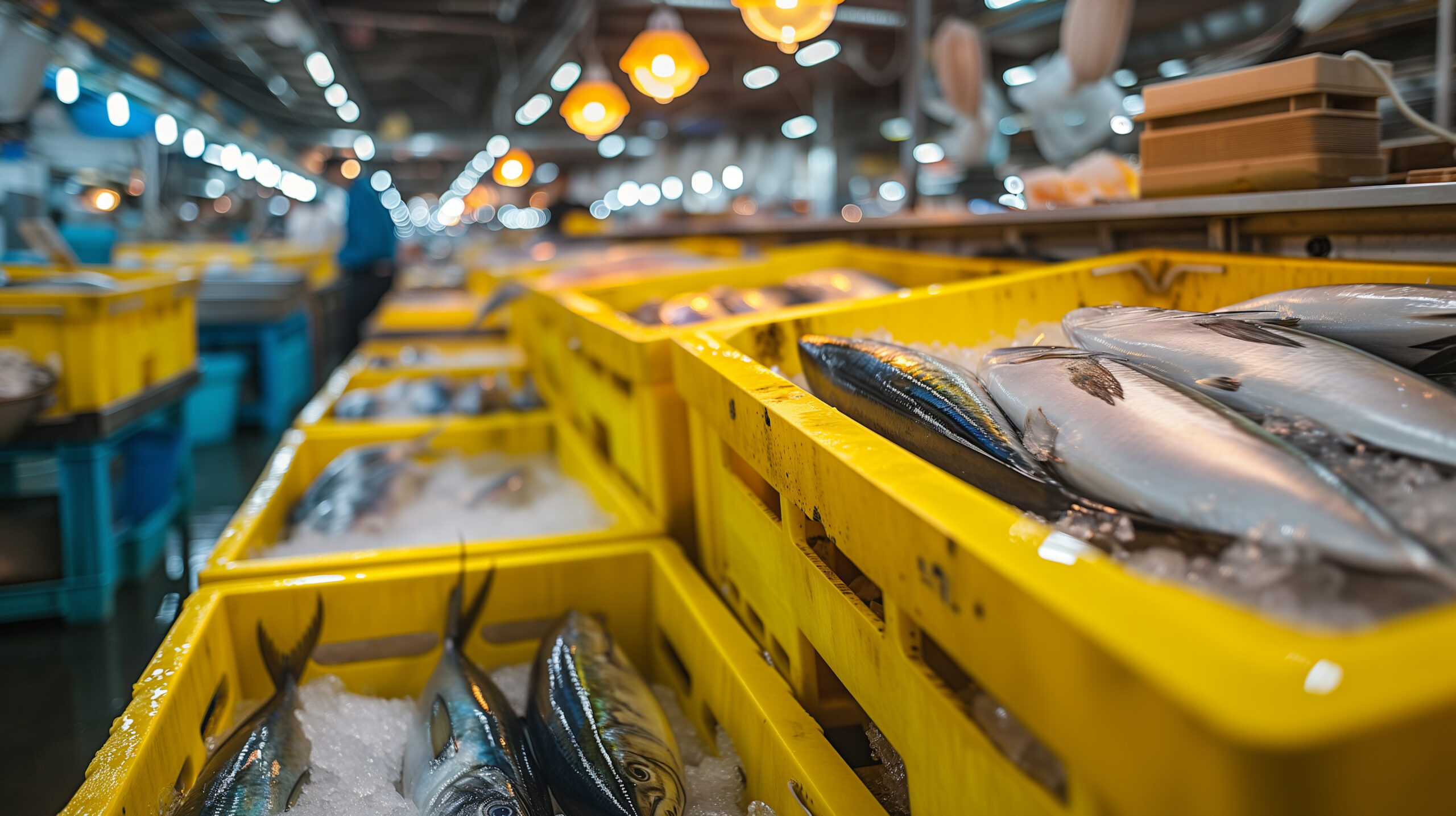
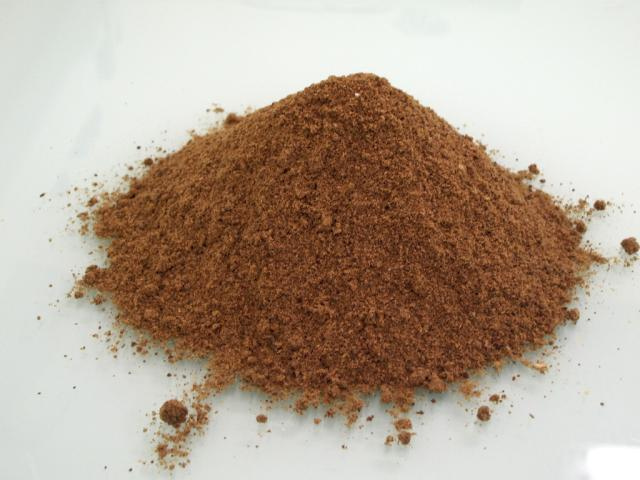
Moroccan fishmeal is a premium marine protein ingredient produced from small pelagic fish caught in the cold, nutrient-rich waters of the North Atlantic Ocean off Morocco’s Atlantic coast. It is one of the most sought-after fishmeal origins in the world — and for good reason.
It is produced primarily from Sardina pilchardus, the Atlantic sardine, and manufactured across Morocco’s three main production centers — Agadir, Laayoune and Safi — which operate year-round, ensuring a consistent supply with no seasonal gaps.
How Moroccan Fishmeal Is Produced
The process is straightforward but tightly controlled: the fresh sardines are cooked, pressed, dried and ground into a concentrated protein meal. Because the three Atlantic hubs run continuously throughout the year, buyers avoid the seasonal supply disruptions that affect many competing origins — a decisive advantage for factories running continuous feed-production lines.
Protein Content: Why Sardina pilchardus Outperforms Every Alternative
When feed manufacturers and aquaculture nutritionists compare fishmeal origins, one question always comes first: what is the protein content — and where does it come from? The answer consistently points to Morocco.
Fish-protein quality is directly linked to the environment the fish live in. Sardina pilchardus thrives in cold North Atlantic waters, and cold water forces fish to develop:
- Denser muscle tissue → higher protein concentration
- Higher fat reserves → richer Omega-3 content (certified EPA & DHA)
- A superior amino-acid profile → better digestibility for farmed species
This is why cold-water fishmeal consistently outperforms warm-water alternatives from tropical Pacific and South Atlantic origins.
Nutritional profile: Moroccan fishmeal vs. warm-water alternatives
|
Nutritional indicator
|
Moroccan fishmeal
|
Warm-water alternative
|
|---|---|---|
|
Crude protein
|
65–72%
|
55–65%
|
|
Omega-3 (EPA + DHA)
|
High — certified
|
Variable / lower
|
|
Digestibility
|
Excellent
|
Moderate
|
What Moroccan Fishmeal Is Used For
Moroccan fishmeal is a strategic ingredient across the animal-nutrition value chain:
Aquaculture feed
Salmon, sea bream, sea bass, trout and shrimp require high-digestibility protein with certified Omega-3 content. Moroccan Sardina pilchardus fishmeal meets these requirements better than any warm-water alternative — which is why Spain, Denmark, Greece and Norway are among its largest buyers. Roughly 75% of all fishmeal worldwide goes directly into aquaculture feed.
Poultry and swine nutrition
High crude protein and a complete amino-acid profile make Moroccan fishmeal an efficient, cost-effective ingredient in compound-feed formulations for poultry and swine production.
Shrimp and shellfish feed
The superior Omega-3 profile — including certified EPA and DHA — is particularly valued in shrimp and shellfish feed, where fatty-acid quality directly affects survival rates and growth performance.
The Moroccan Fishmeal Market in 2024
The global fishmeal market has been fundamentally reshaped over the past ten years, and no country illustrates the shift better than Morocco. While overall EU fishmeal imports contracted, Moroccan exports to Europe went the other way.
Moroccan fishmeal exports to the EU: 10 years of growth
|
Nutritional indicator
|
Moroccan fishmeal
|
Warm-water alternative
|
Change
|
|---|---|---|---|
|
Moroccan exports to EU
|
29,500 T
|
59,400 T
|
+101%
|
|
EU market share (volume)
|
9%
|
30%
|
+21 pts
|
|
Export value
|
€30.5M
|
€73.3M
|
+138%
|
Source: EUMOFA — Fishmeal & Fish Oil Report, 2025 · Le Matin, March 11, 2026.
Morocco is now ranked Top 3 globally, alongside Norway and South Africa.
The global fishmeal market in numbers
- $10.35 billion — global fishmeal market value in 2024
- $14.9 billion — projected value by 2035 (CAGR +2.74%)
- 5.1 million tonnes — annual global fishmeal production
- 75% of global fishmeal goes directly into aquaculture feed
- 199,500 tonnes — total EU fishmeal imports in 2024
Why Morocco’s market share keeps growing
Three structural factors explain the rise: consistent year-round production across Agadir, Laayoune and Safi; superior product quality driven by cold-water Sardina pilchardus; and an EU-compliant supply chain that meets the non-negotiable baseline demanded by European, Asian and American buyers.
Who Buys Moroccan Fishmeal?
Spain, Denmark, Greece and Germany absorb 85% of all EU fishmeal imports, and all four have steadily increased their Moroccan sourcing over the past decade. Beyond Europe, Asia, the Middle East and the Americas are the next growth frontiers — driven primarily by rapidly expanding aquaculture industries.
Consistency: The Factor Buyers Never Compromise On
Beyond the nutritional numbers, Moroccan fishmeal is trusted worldwide for one critical reason: consistency. Batch after batch, shipment after shipment, it delivers the same protein content, the same moisture levels and the same quality standards. For feed manufacturers running continuous production lines, that predictability is non-negotiable.
Why Global Buyers Choose Moroccan Fishmeal
- Highest protein density on the market — 65–72% crude protein
- Superior Omega-3 profile — certified EPA & DHA
- Year-round supply — no seasonal gaps
- Full EU & international compliance — consistent, batch after batch
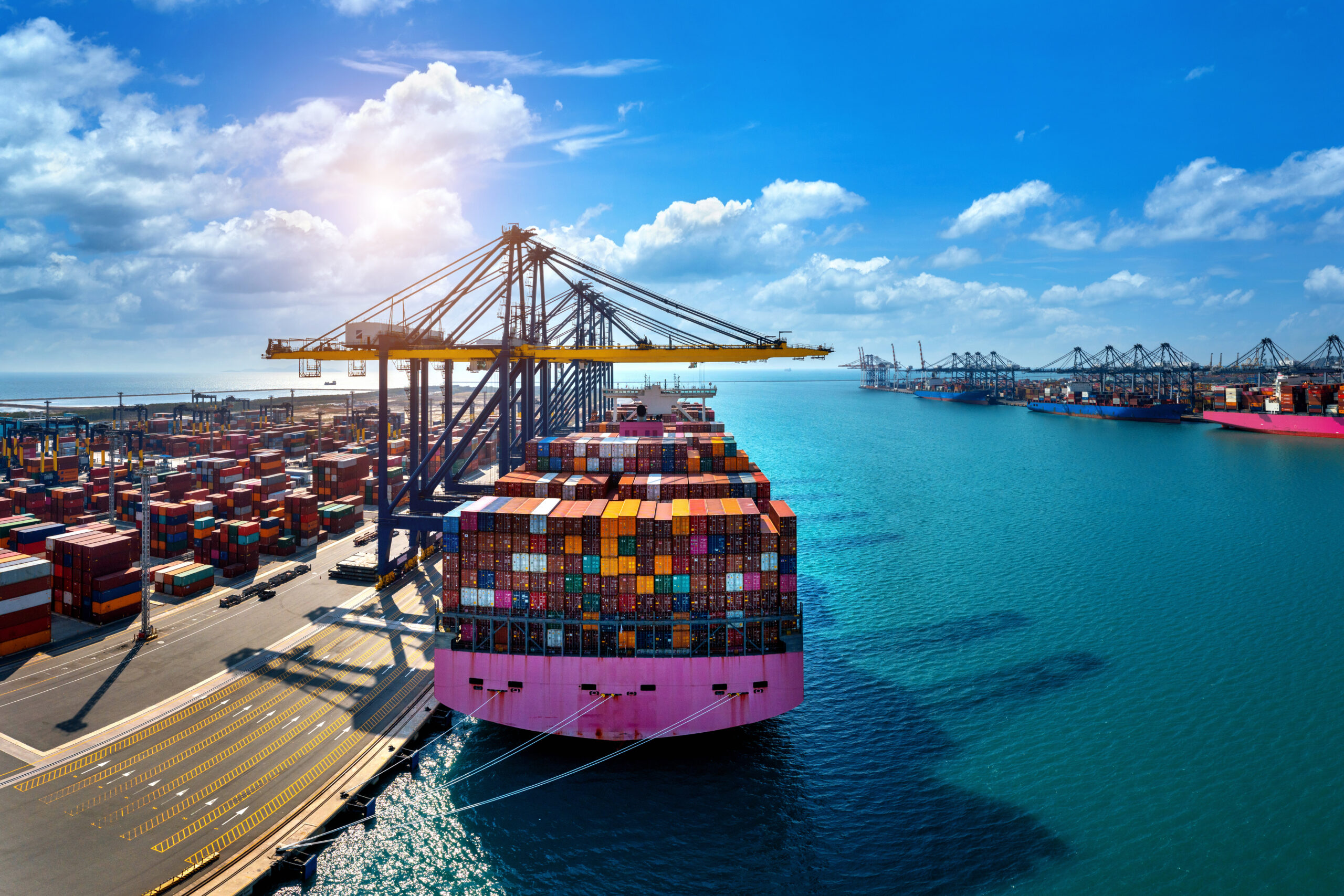
- Logistics advantage — faster transit to Europe and the Middle East, competitive FOB pricing